The diagnosis of “Stage 4” abdominal cancer is often met with a sense of finality. But in the evolving landscape of oncology, a broad label doesn’t always tell the whole story. For specific patients where cancer has spread predominantly across the lining of the abdomen (the peritoneum), advanced treatments like HIPEC are turning “inoperable” verdicts into “treatable” realities.
If you are currently navigating this difficult phase, understanding the options for HIPEC treatment India and seeking a Peritoneal cancer second opinion from a specialized Surgical Oncologist in Mumbai can be a life-changing step.
When “Stage 4” Doesn’t Mean “The End”?
In traditional medicine, cancer spread within the abdomen was often seen as beyond the reach of surgery. However, the location and pattern of spread matter just as much as the stage. When the disease is confined primarily to the abdominal cavity, the right question isn’t “What stage is it?” but “Is this a disease pattern that can be surgically cleared?”
This is where Peritoneal Surface Oncology comes in. By focusing on the pattern of spread, specialists can identify patients who might benefit from a more aggressive, targeted approach.
So what exactly is HIPEC?
HIPEC stands for Hyperthermic Intraperitoneal Chemotherapy. Unlike standard intravenous chemotherapy that travels through the entire bloodstream, HIPEC is a local, concentrated treatment.
The process involves two critical stages:
- Cytoreductive Surgery (CRS): The surgeon manually removes all visible tumor deposits from the abdominal cavity.
- The HIPEC “Wash”: Once the visible disease is removed, a heated chemotherapy solution is circulated directly inside the abdomen.
The heat (Hyperthermia) serves two purposes:
it makes the cancer cells more susceptible to the chemotherapy
and
allows the drug to penetrate deeper into any microscopic cells left behind.
This is where the conversation changes.
HIPEC: Advanced Treatment for Abdominal Cancers by Dr.Chintamani Godbole – Gastrointestinal Surgeon
The “Inoperable” Label: Why It Needs a Second Look?
Many families are told surgery is impossible because the cancer is too widespread. However, “inoperable” can mean different things:
- It may mean the patient isn’t physically fit for a long surgery.
- It may mean the cancer has spread to distant organs like the lungs or brain (where HIPEC is less effective).
- Or, it may simply mean the initial team doesn’t specialize in Peritoneal Surface Malignancy.
A Peritoneal cancer second opinion with a specialized Surgical Oncologist in Mumbai focuses on whether a complete “cytoreduction” is technically possible. Centers specializing in HIPEC treatment India often evaluate cases that general oncology teams might deem too complex.
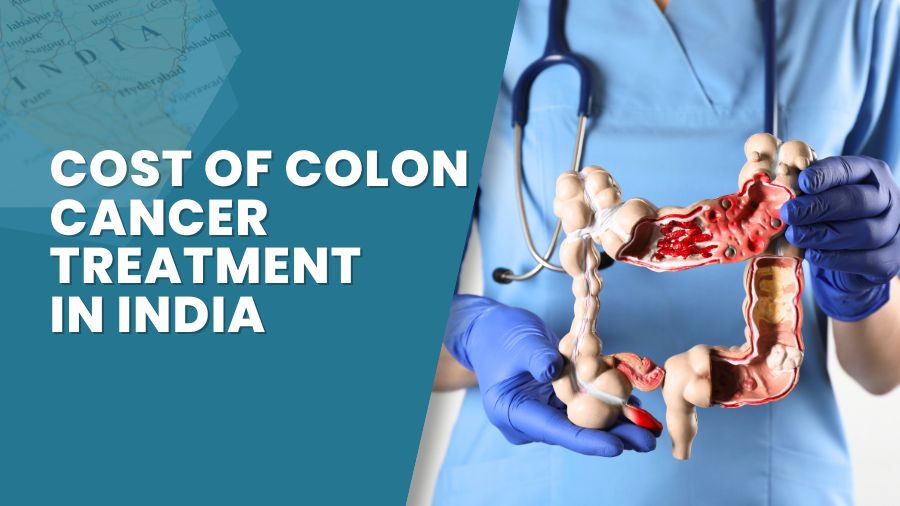
Beyond the clinical feasibility, it is also important for families to understand the logistics and financial planning involved in these advanced procedures; for a detailed breakdown, you can refer to our guide on Understanding the Cost of Colon Cancer Treatment in India.
Why is HIPEC Giving Patients Medically Grounded Hope?
The reason HIPEC matters is that it is built for a very specific problem: cancer spread across the lining of the abdomen. In selected patients, the goal is not just temporary symptom control—it is to remove visible disease and attack the microscopic cells left behind.
This is why HIPEC treatment India has become such an important search term for families looking beyond stage-based labels. They are moving toward disease-pattern-based treatment decisions, looking for strategies like GI oncology support and advanced colorectal cancer care that address their specific reality.
Honesty Matters: Is HIPEC for Everyone?
It is crucial to balance hope with medical reality. HIPEC is a major, intensive procedure and is not a “miracle cure” for every Stage 4 case. A responsible consultation should never offer a blanket promise.
The decision depends on:
- Primary Cancer Type: HIPEC works best for cancers originating in the appendix, colon, rectum, and certain ovarian or stomach cancers.
- Extent of Spread: Measured by the Peritoneal Cancer Index (PCI). If the score is too high, surgery may not offer a survival benefit.
- Patient Fitness: The patient must be strong enough to recover from a high-intensity operation.
What Makes a Second Opinion Valuable at This Stage?
A strong second opinion does not just repeat the stage; it studies the biological pattern of the cancer. A HIPEC-focused review by a Surgical Oncologist in Mumbai usually asks:
- What is primary cancer? (Appendix, Colon, and Ovarian cancers often respond best).
- Where exactly has it spread? Is it confined mainly to the abdominal cavity?
- Is meaningful cytoreduction achievable? Can we realistically remove all visible tumors?
- Is the patient strong enough? HIPEC is a major procedure that requires physical resilience.
These are very different—and more hopeful—questions than simply saying “It is Stage 4.”
Why Specialist Expertise is Non-Negotiable?
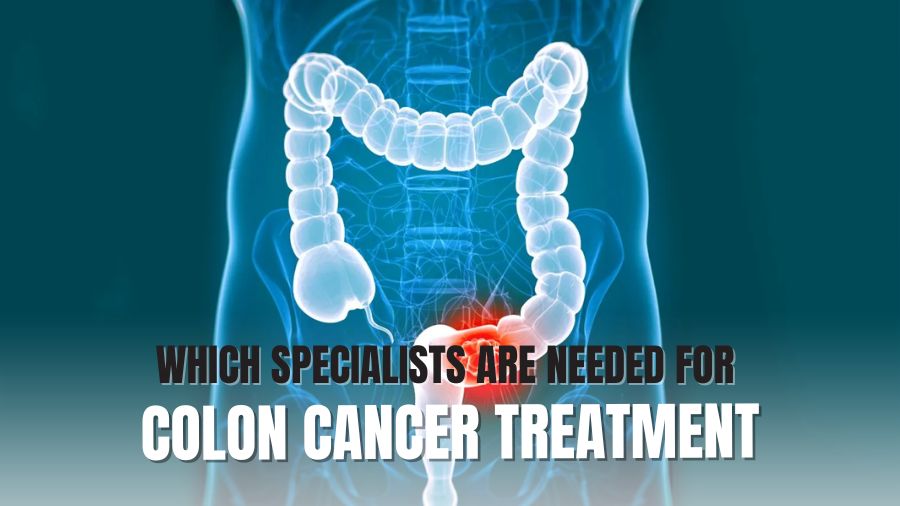
HIPEC and Cytoreductive Surgery are technically demanding. For families searching for a Surgical Oncologist in Mumbai, the choice should be based on disease-specific training and institutional support.
Top-tier hospitals in Mumbai, provide required support to a patient through this journey. It isn’t just about the technology; it’s about the surgical precision required to remove every visible trace of the disease before the heated chemotherapy is applied.
The Shift from Fear to Clarity
At first, the conversation was full of fear. But a specialist review shifts the focus from “Is it over?” to “Is this disease pattern resectable?” Even when the final answer is that HIPEC isn’t the right fit, families find immense clarity knowing the decision was based on an expert assessment of their specific disease pattern, rather than a broad medical label.
Being told that an abdominal cancer is “stage 4” is devastating, but it should not automatically end the conversation. Advanced options like cytoreductive surgery and HIPEC treatment India centers offer a specialized path that deserves careful evaluation. If you are looking for a Surgical Oncologist in Mumbai with focused expertise, remember that the pattern of the disease is often more important than the label.